Finding the "aha" moment at YouCanBookMe
Using the TRACE framework to increase new user activation from 17% to 26% in two months.
The challenge
I started my career at YouCanBookMe, a bootstrapped, product-led scheduling SaaS serving more than 1.5 million users (now part of Capacity).
Every booking page included a "Powered by YouCanBookMe" link, creating a natural viral loop. People booked meetings, experienced the product, and signed up themselves.
New accounts were being created every day, but somewhere between creating an account and becoming a successful customer, people were disappearing.
So I set out to understand where were they getting stuck, and why?
📊 Track - Understand the data
I started by mapping the onboarding funnel in Mixpanel, following users from registration through to receiving their first booking.
Three clear drop-off points emerged.
79% of people who started registration completed sign-up.
48% of those users created a booking page.
Just 17% received their first booking within seven days.
The numbers showed me where people were dropping off, but they didn’t tell me why.
So the investigation moved to the next stage.
🗣 Research - Talk to users
To understand the why, I recruited people who had signed up within the last month but had never received a booking, offering an Amazon voucher in exchange for a 20-minute conversation.
In these calls, I wanted to understand:
What had brought them to YouCanBookMe?
What were they trying to accomplish?
Why hadn’t they yet had a booking?
Alongside the interviews, I organised Hotjar watch parties with the team, reviewing session recordings together and observing new users move through sign up and interacting with our booking page settings for the first time.
We also added a feedback question during account creation, asking people why they were leaving before completing sign-up, which uncovered something key.
A surprising number of people weren't prospective customers at all.
They were end bookers.
They’d made a booking on a YouCanBookeMe booking page, and wanted to amend join a remote meeting and they assumed they needed to create their own YouCanBookMe account to do it.
They didn’t want their own booking page, and them signing up was making our data, and our conversion rate muddy.
That insight immediately improved our understanding of the top of the funnel.
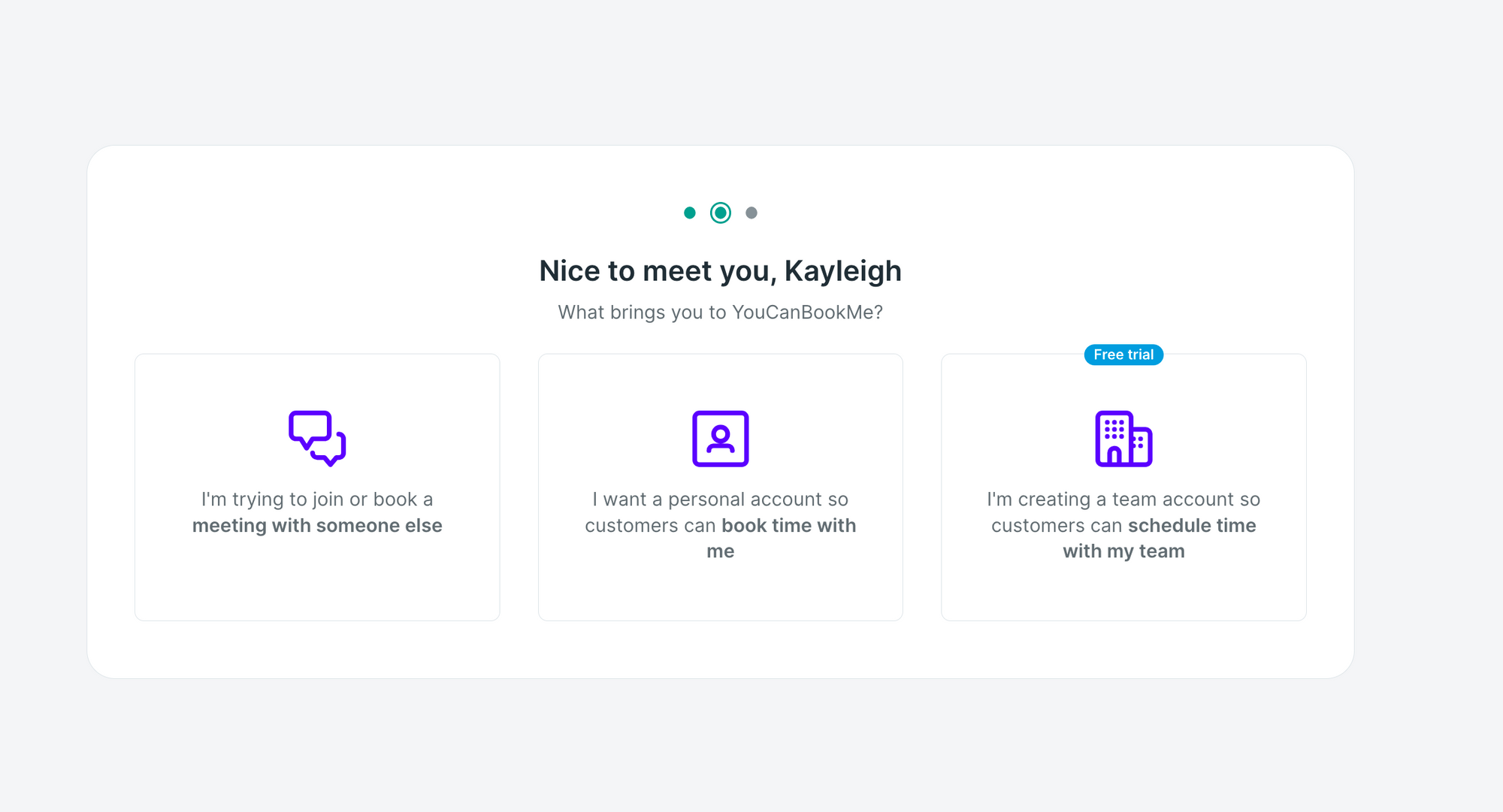
We introduced a simple segmentation step, asking users if they were signing up as:
a Booker,
an Individual,
part of a Team.
That meant we could:
direct end bookers to manage their booking
give end bookers the details of remote meetings, so they could join their meeting quickly, preventing unnecessary no-shows for our actual customers
separate genuine prospects from no-intent sign-ups in our reporting
It was a change that improved both the customer experience and our product data.
🧩 Analyse - Connect the evidence
So now we know where people were dropping off, we’d cleaned up the data. We still hadn’t understood why so many new sign ups hadn’t taken a booking. That was until one customer interview that led me on the path to connect the dots.
This customer told me he'd shared his booking page with his partner just to test it. She booked a meeting. He received the confirmation email. She received the confirmation email. He saw the entire booking flow from beginning to end.
Then he paused and said: "I want to personalise those emails." and went straight back into the product.
It wasn't just one conversation, we heard similar stories again and again.
Some users had booked with someone else's YouCanBookMe page before signing up.
Others took a test booking almost immediately.
Others were lucky enough to receive a genuine booking early.
The pattern was always the same.
The first booking was the moment users understood the value of the product.
The interviews told us that.
The data backed it up.
People who reached that milestone explored more features, personalised their experience, and were much more likely to stick around and get further bookings.
People who never reached it quietly disappeared.
That became our activation milestone.
🛠 Change - Prioritise and implement
Once we'd identified the first booking as the moment users experienced value, every onboarding decision became much simpler.
We asked: Does this help users reach their first booking faster?
Three areas became our priorities.
1. Reduce friction during sign-up
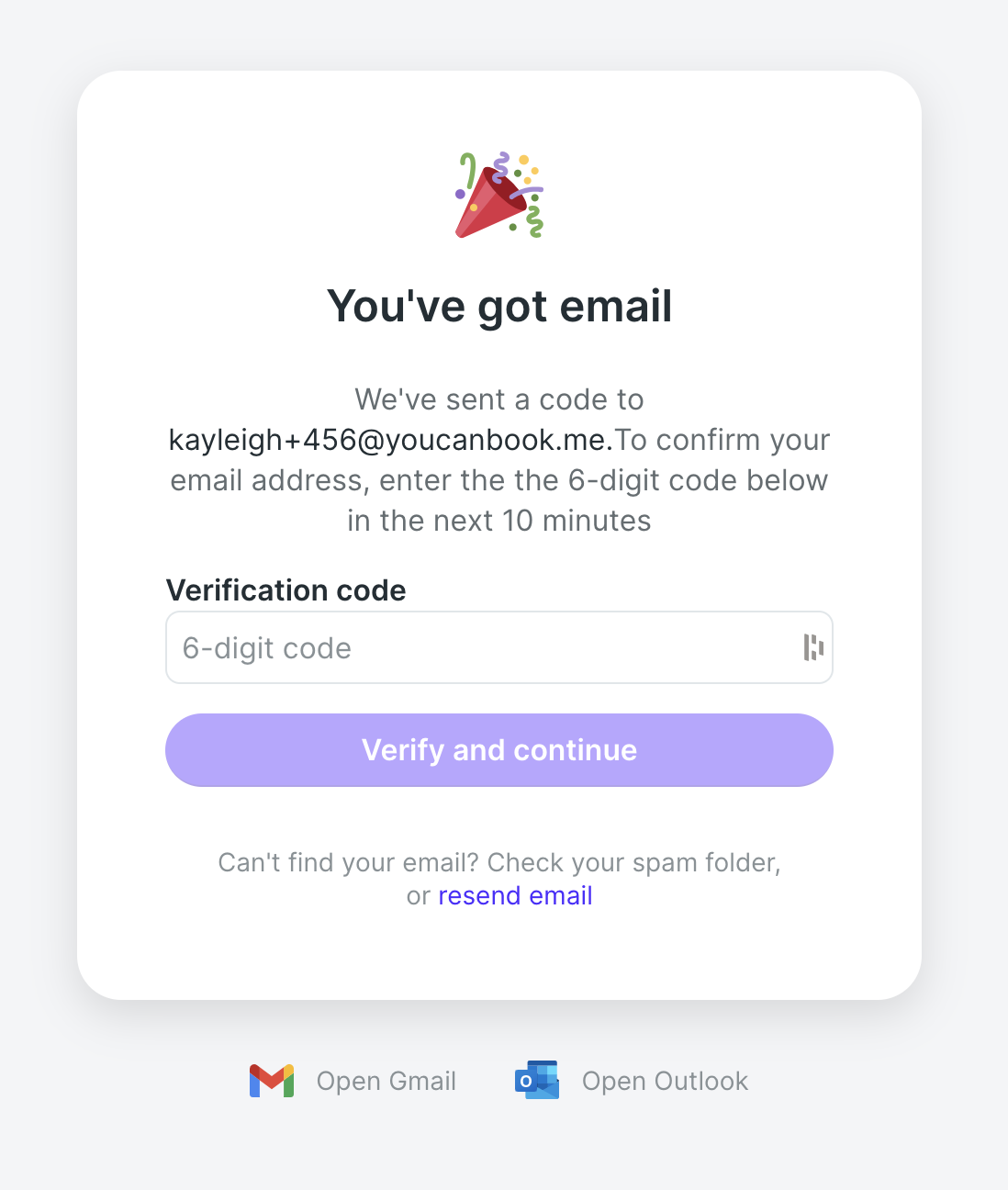
Email verification was causing unnecessary drop-off.
Clicking the verification link dumped users into busy inboxes where people got distracted and never returned.
So we changed the flow to open a filtered Gmail or Outlook inbox showing only emails from YouCanBookMe, with the verification code included in the email subject.
Drop-off at this step reduced almost immediately.
2. Simplify booking page creation
Users consistently told us they weren't confident they'd configured everything correctly.
Key settings like availability, meeting duration and location were buried inside advanced settings.
We redesigned onboarding to surface those decisions in a guided, step-by-step experience using progressive disclosure, helping users build confidence before exposing the product's full complexity.
Booking page creation increased and users reported feeling much more confident sharing their booking page.
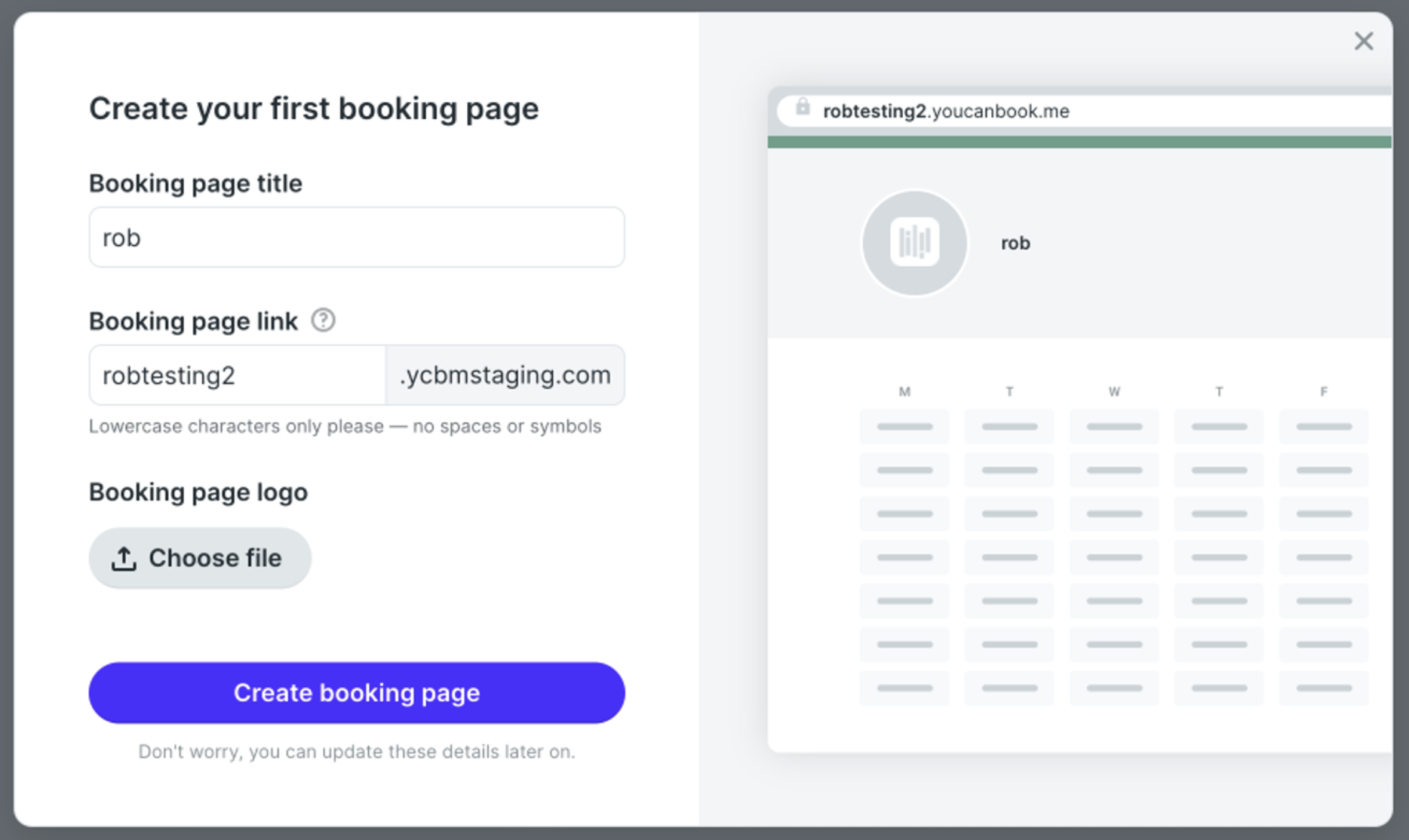
Before the change, we asked users to add a logo and a title - not key settings
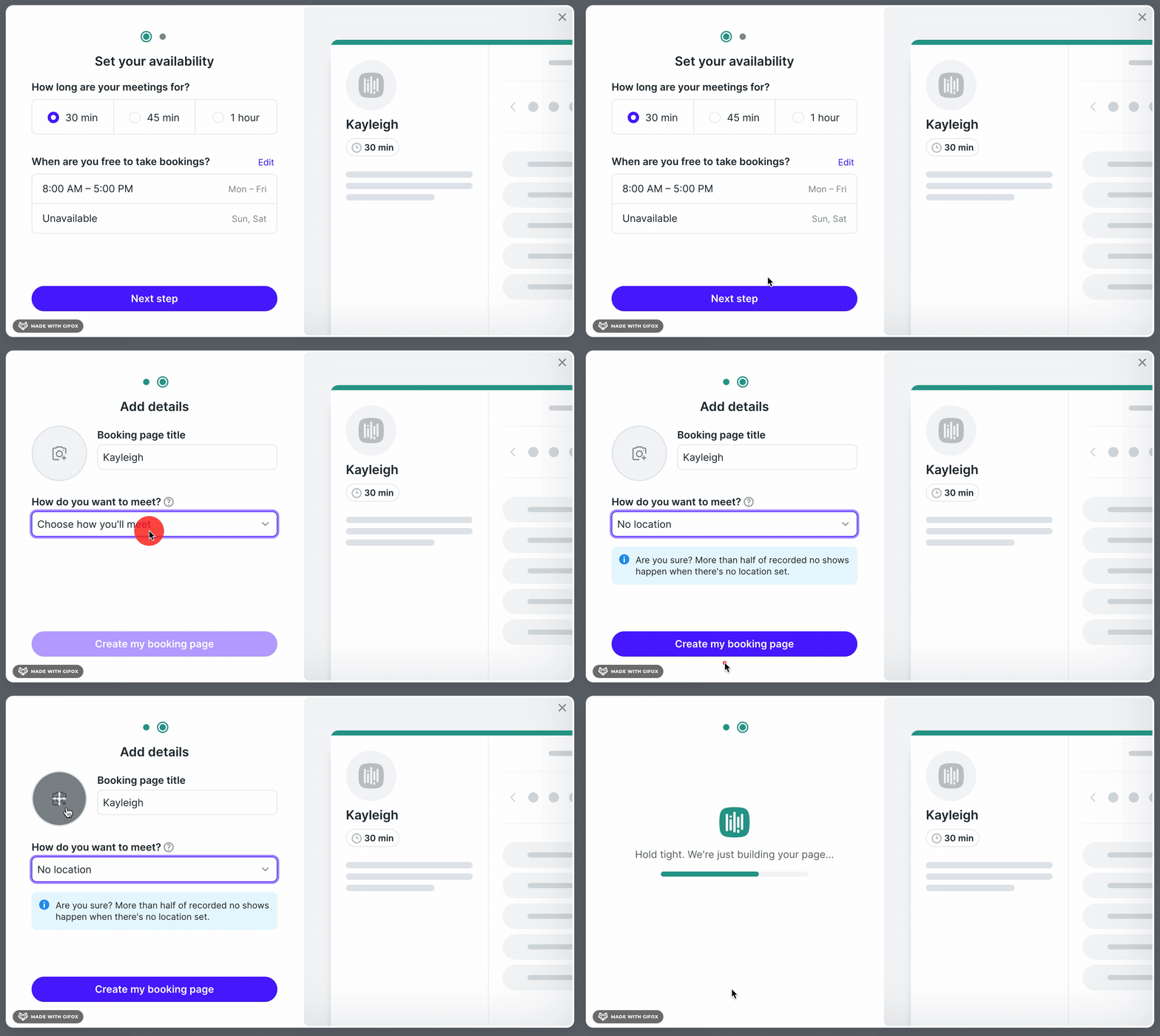
The updates guided new users to set up the key settings for their meetings
3. Build trust before asking for commitment
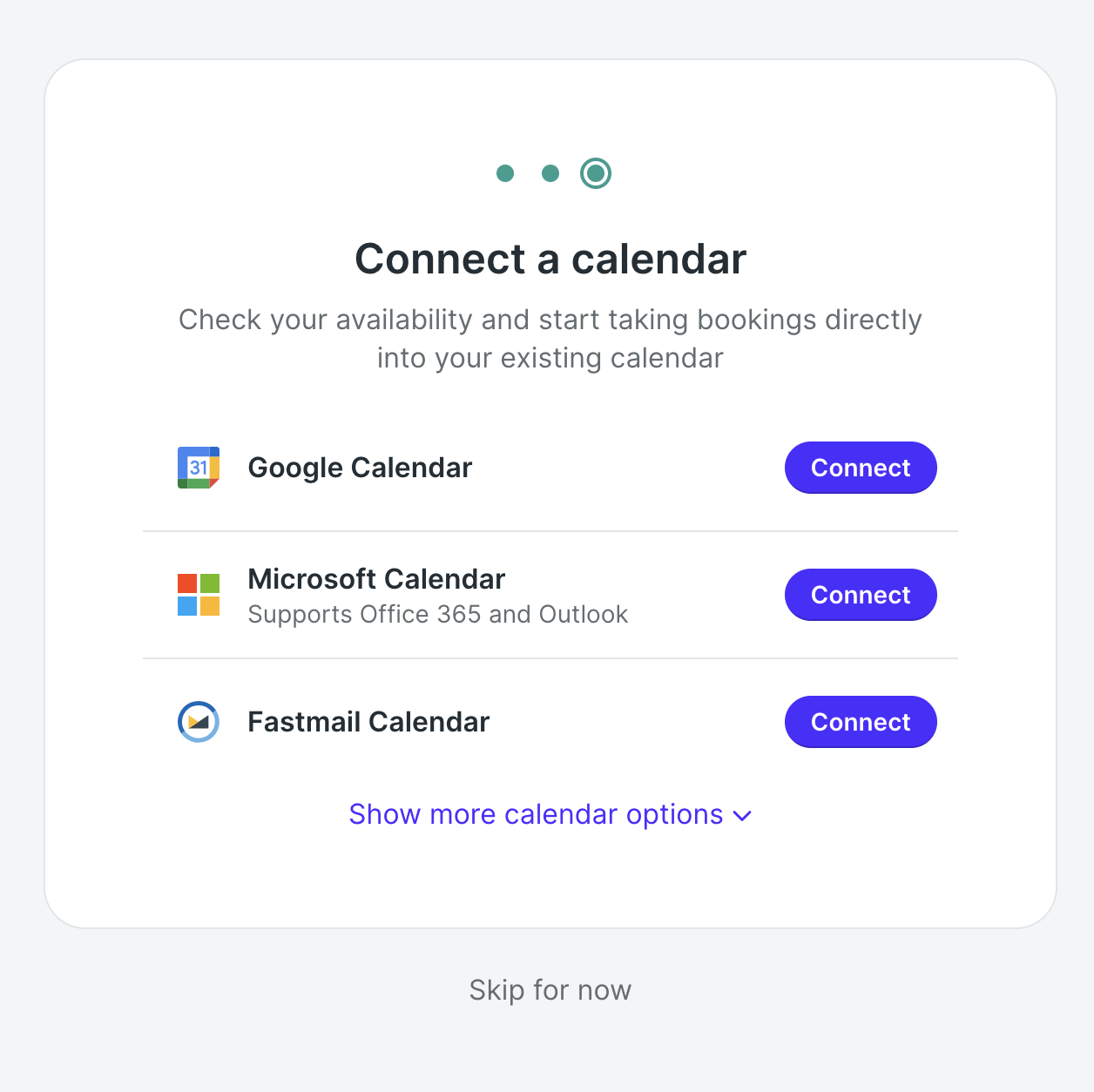
Connecting a calendar caused a consistent 23–27% drop-off.
Interviews revealed many users simply weren't ready to grant calendar access yet so we added the option to skip this step.
People could explore the product, understand its value and connect their calendar later.
Shortly after launch, we noticed a sudden spike in sign-ups. The numbers looked fantastic. Too fantastic.
Working with our CTO, we discovered the skip option had attracted a wave of spam accounts.
Rather than rolling back, we introduced lightweight protection while keeping the lower-friction experience for genuine users.
It was a good reminder that shipping quickly also means learning quickly.
📈 Evaluate - Measure the impact
Within two months:
New user activation increased from 17% to 26%.
Sign-up completion increased by 20%.
More importantly, we had aligned the onboarding experience around helping users reach the moment where the product truly clicked.
The takeaway
Every product makes a promise. There is always a moment when users first experience that promise being kept.
Before that moment, they're still deciding whether your product is worth their time.
Finding that moment changed how we thought about onboarding at YouCanBookMe.
It's the same question I begin every TRACE Investigation with today.
What's the moment your users experience the value your product promises?
